


Clear Direction’s Wayne Morgan Featured on Richard Hammond’s Workshop
5 November 2025
Employment Rights Bill: Unfair Dismissal to Move to Six Months — and Early Reports of a Potential Uncapped Compensation Regime
5 December 2025






























Time Until Changes to National Minimum Wages
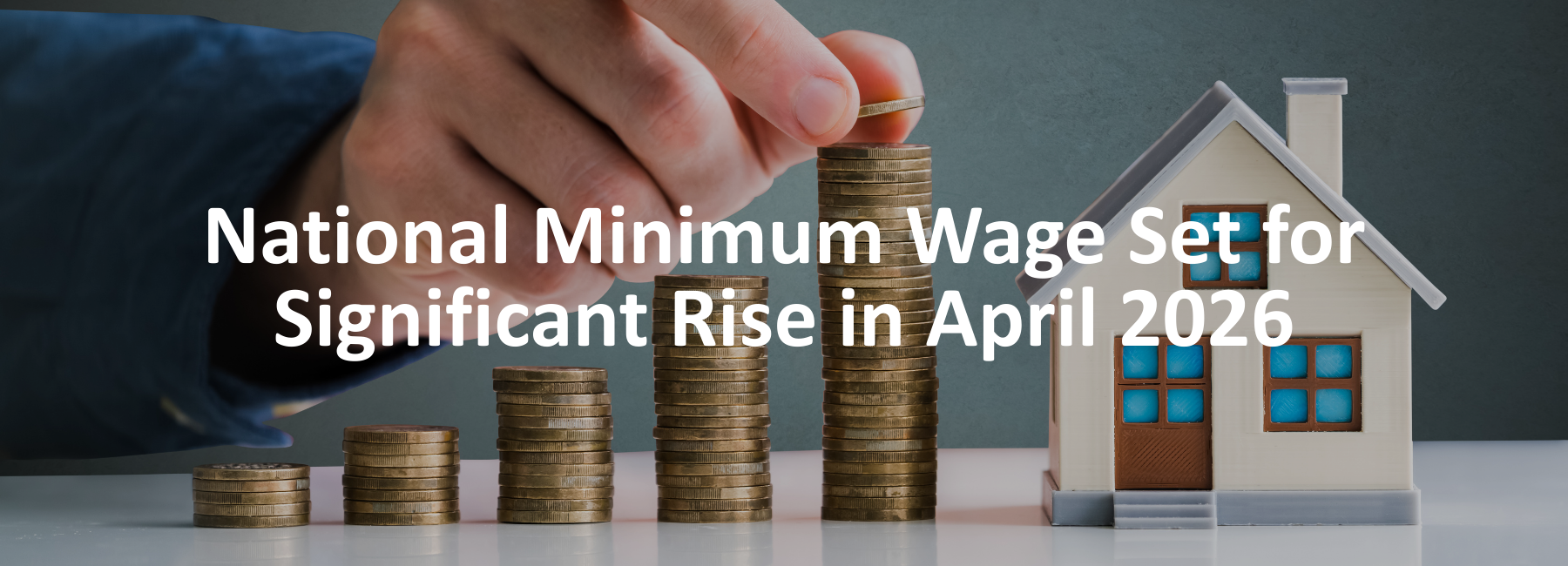
The UK’s National Minimum Wage and National Living Wage will rise in April 2026, following the government’s latest review of statutory pay thresholds. The announcement forms part of the ongoing effort to boost earnings for lower-paid workers and respond to the realities of a labour market that has shifted considerably over the last three years. Businesses across multiple industries continue to report difficulty attracting and retaining staff, particularly in lower-paid operational roles, where competition has driven wages upward even before statutory increases were confirmed.
The rise also comes at a time of ongoing cost-of-living pressure, heightened discussions around wage fairness, and a growing expectation for companies to deliver sustainable, responsible pay. For many employers, this shift won’t just be a payroll exercise — it will influence HR strategy, workforce planning and future talent decisions.
2026 Confirmed Wage Rates
National Living Wages (21+)
£12.71 Per Hour
National Living Wages (21+)
£12.71 Per Hour
Ages 18 - 20
£8.00 Per Hour
Ages 18 - 20
£8.00 Per Hour
Impact on businesses
The financial implications will vary depending on workforce composition. Sectors with large hourly-paid populations — such as retail, hospitality, manufacturing, warehousing and care — may see the most immediate uplift in labour spend.
For employers, the increase extends beyond statutory compliance. Key people considerations include
Wage compression and pay parity
Ensuring the gap between entry-level roles and senior/experienced positions remains meaningful.
Retention strategy
Employees previously motivated by progression into slightly higher-paid roles may now require clearer development or reward pathways.
Recruitment and employer brand
Competitive pay will support attraction, but companies paying only the legal minimum may struggle to differentiate themselves.
Skills-based progression
Higher minimum pay may put pressure on employers to accelerate training, development and career mobility pathways.
Employee relations
Staff communication will be critical, especially where wage structures need adjustment or where only specific roles receive uplifts.
Preparing ahead of April — practical HR actions
To ensure a smooth introduction of the new rates, HR teams may find it useful to:
-
Conduct a full pay structure audit to identify compression and equity issues.
-
Review performance, progression and skills frameworks to maintain motivation above statutory levels.
-
Update contracts, handbooks, HRIS/payroll systems, job adverts and onboarding documentation.
-
Model forecasted labour cost scenarios, including indirect increases to pay bands above the minimum.
-
Prepare internal communication plans so employees understand changes early and transparently.
-
Align workforce planning, staffing levels, shift design and overtime approach with new cost forecasts.
-
Consider how reward, benefits and culture can complement wage increases to attract and retain talent.